A technology with a long history

The history of PCM

Phase Change Materials (PCM) are not a new technology. They have been used for decades in various sectors where thermal energy is temporarily stored and released at a later time. Thanks to this unique property, energy can be used more efficiently and temperatures can be maintained more effectively.

ijs1

The physical principle behind PCM

The best-known example of a Phase Change Material is water. When water freezes into ice or melts again, thermal energy is absorbed or released. PCM materials use the same principle by storing heat during the melting process and releasing it when the material solidifies. This allows thermal energy to be stored temporarily and used efficiently at a later moment.

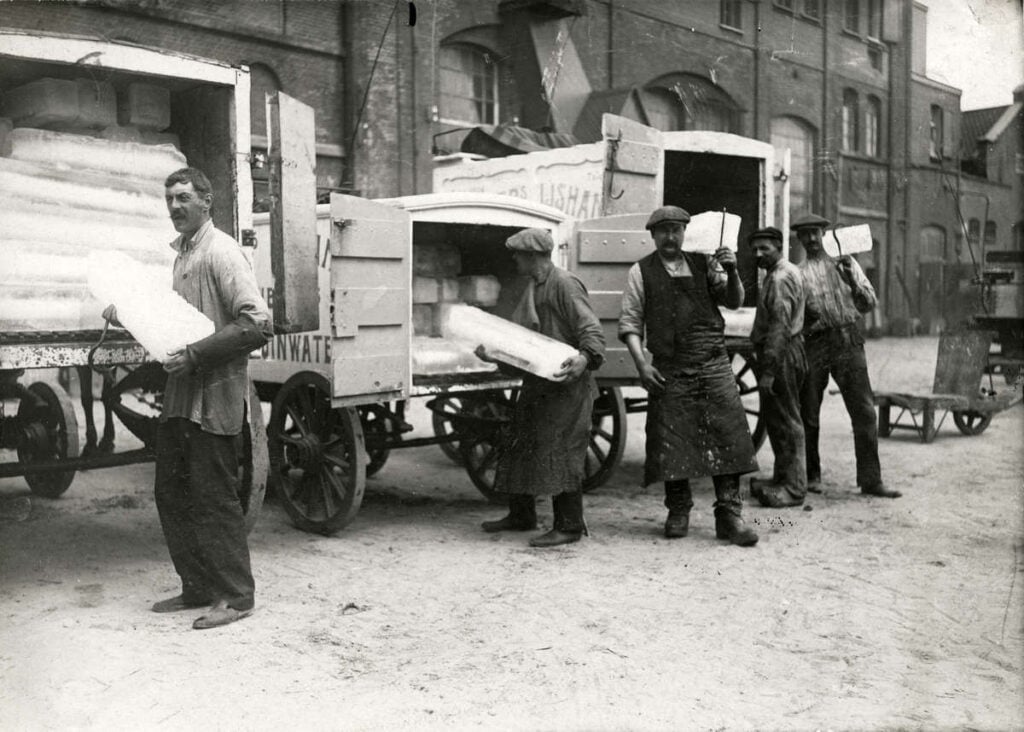
People have been using this principle for thousands of years. Between 1700 and 1000 BC, ice houses were already being used in Syria and on Crete to keep food products cool. In the Middle Ages, castles were also equipped with ice cellars where natural cooling was stored. Around 1900, the first technical applications emerged, using ventilation over ice to cool buildings. After the Second World War, the first buildings appeared in which PCM technology was deliberately applied for climate control. From the 1990s onwards, interest in PCM increased significantly, and the technology developed into a mature solution for sustainable climate systems.

The development of PCM

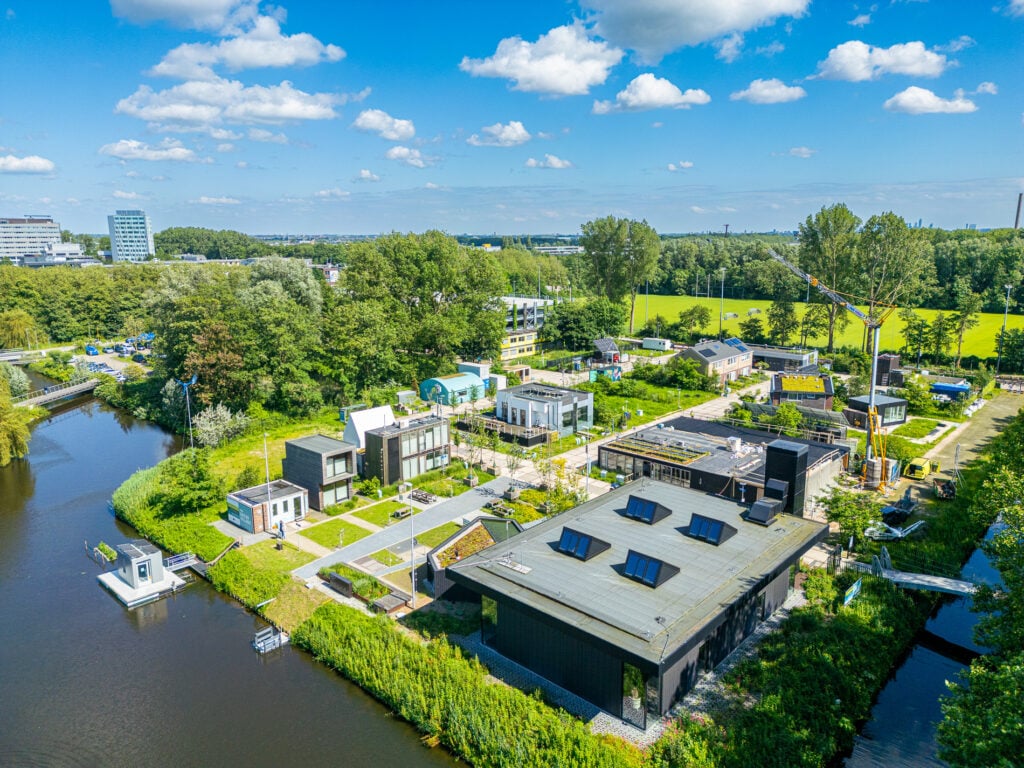
Since 2011, extensive work has been carried out on the further development of PCM technology for applications in the built environment. The technology has been continuously optimised, extensively tested and validated. The focus has been on improving comfort, reducing energy consumption and decreasing the required capacity of building services systems. Important milestones followed in rapid succession. In 2014, the first practical applications were further developed. Around 2019 and 2020, PCM was tested and implemented in a variety of projects. From 2021 onwards, the technology developed into a proven solution for sustainable climate control. In 2024, its applications were further expanded to include various building types and technical systems.
VAN DORP – GREEN VILLAGE DELFT – BURO VAN DER VELDE – DJI_0336 – LR

Proven in practice

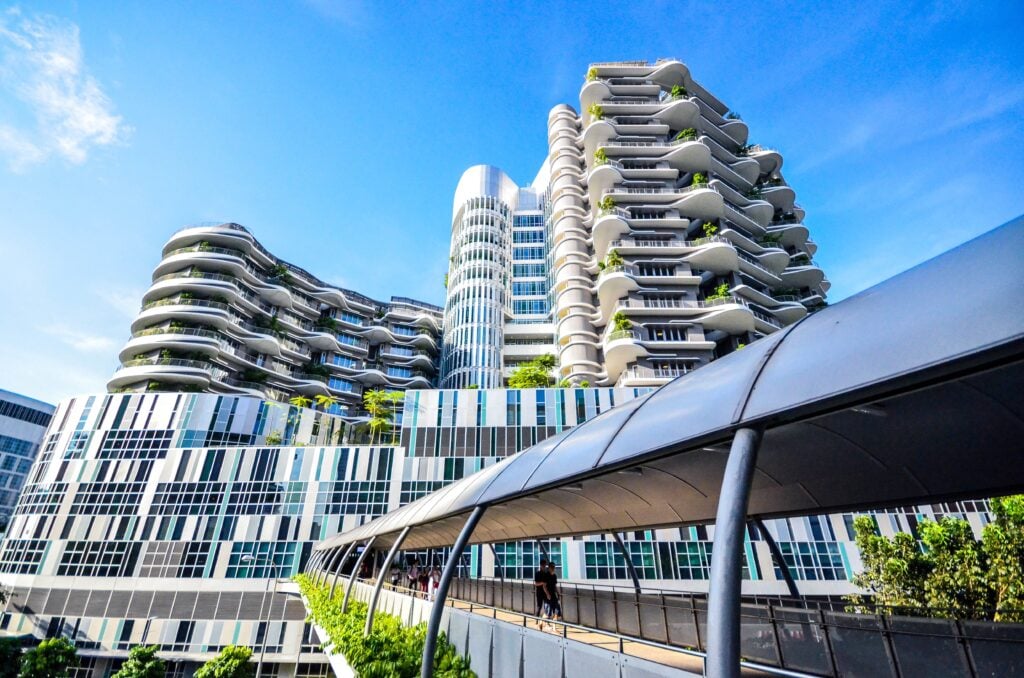
Today, PCM has evolved into a fully circular, maintenance-free and 100% Dutch-developed product with an expected lifespan of more than 40 years. Thanks to different material compositions, PCM can be tailored to the specific requirements of each application. PCM is now used in solutions such as climate ceilings, floors, air handling units, server rooms and thermal storage tanks. The development of PCM technology continues. By combining practical experience with research and monitoring, the technology is continuously improved. This allows PCM to keep contributing to buildings that are more comfortable, energy-efficient and future-proof.
esaias-tan-JeWyWRMH4rQ-unsplash

More information

For more information or to schedule an appointment, please contact us.

Contact

Do you have any questions?

Contactpage