PCM applications across different markets

Markets

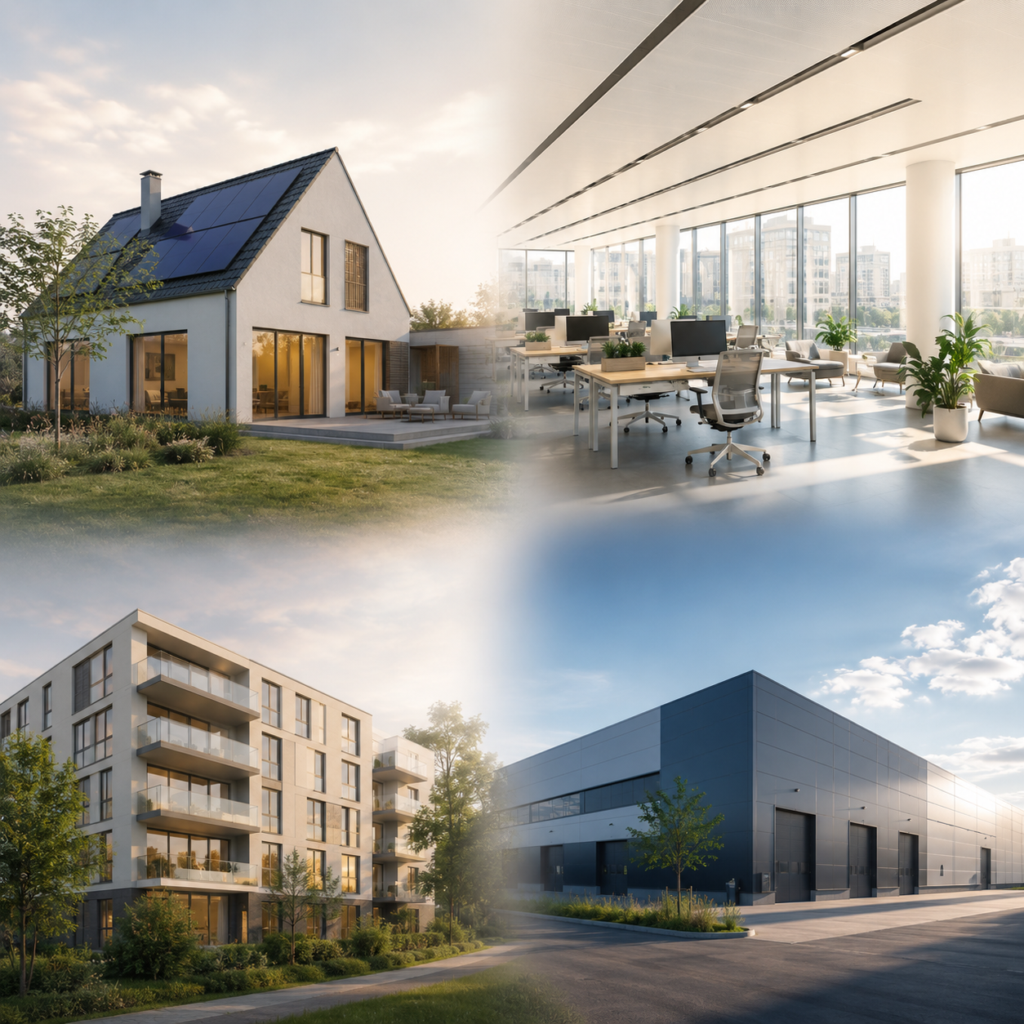
PCM technology has a wide range of applications and is used across various sectors, including commercial buildings, residential properties, data centres and industrial facilities. In each market, PCM contributes to reducing energy costs, lowering CO₂ emissions and improving comfort and performance. Whether applied in new construction, renovation projects or specific technical applications, PCM can be flexibly integrated and tailored to the required temperature range and conditions. This makes it a future-proof solution for organisations and projects aiming to improve sustainability and use energy more efficiently.
Markten autarkis
Offices, schools, healthcare facilities, etc.

Commercial buildings

PCM technology is increasingly being applied in commercial buildings, such as offices, schools, healthcare facilities and other large-scale buildings. These buildings often experience varying heat loads caused by occupants, equipment and solar gains. PCM provides a smart solution by temporarily storing thermal energy and releasing it when required. By integrating Phase Change Materials into elements such as ceilings, walls or floors, indoor climate conditions can be controlled more effectively and consistently. When temperatures rise during the day, the PCM absorbs excess heat. This slows down the temperature increase and helps maintain a comfortable indoor environment. During the evening or night, the stored heat is released, helping to keep temperatures balanced. This method of climate control reduces the need for active heating and cooling, resulting in lower energy consumption and reduced energy costs. In addition, it contributes to more sustainable buildings and a lower CO₂ footprint. PCM is a flexible technology that can be integrated into both existing and new buildings. This makes it an attractive solution for improving sustainability and enhancing indoor climate performance within the commercial building sector.
Hualien-Wellness-Residential-development-by-BIG-2-889×635
Sustainable housing solutions with PCM

Residential buildings

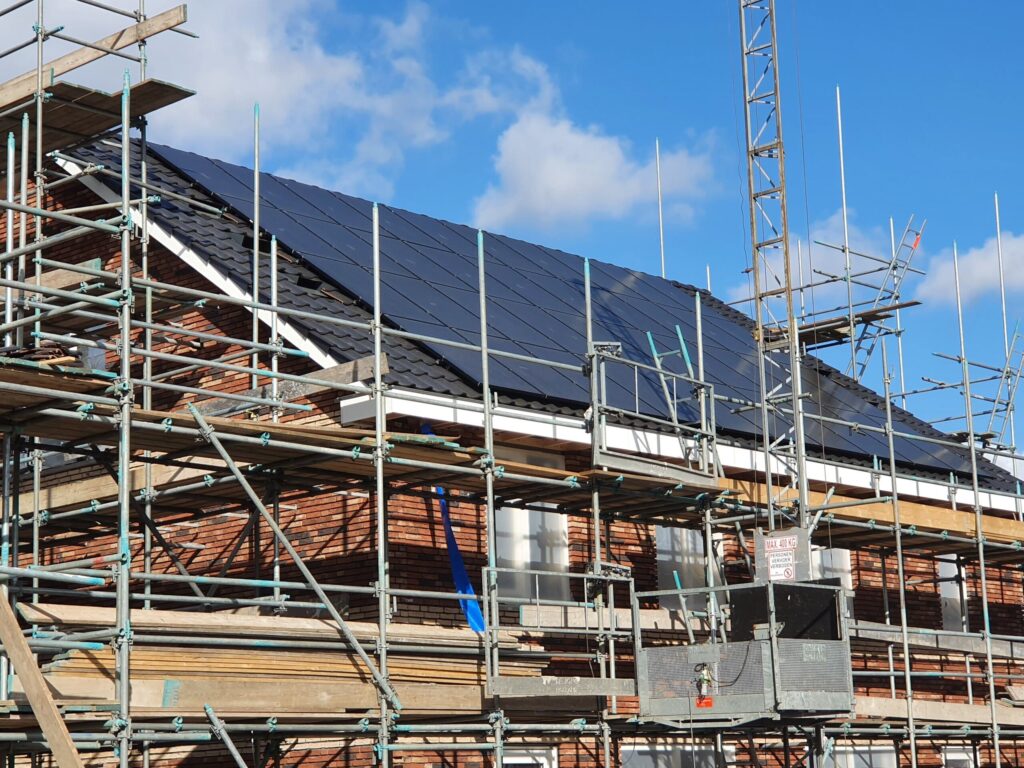
Making homes more sustainable with PCM Dutch residential homes are becoming increasingly energy efficient. This is mainly due to improved insulation of walls and the use of HR++ or even higher-performance glazing. As a result, less energy is required to heat a home. Today, domestic hot water often accounts for the largest share of household energy consumption. Due to these developments, traditional heating systems such as high-efficiency gas boilers are becoming increasingly outdated. The transition towards fully electric homes is therefore becoming more important. PCM technology can play an important role in this transition. By combining Phase Change Materials with underfloor heating systems, homes can be heated efficiently with a low-capacity heating system. The PCM stores thermal energy when it is available and releases it when needed. This ensures a more even heat distribution throughout the home and reduces the energy required to maintain a stable indoor temperature. Combined with a small electric heat pump, a home can be heated completely “all-electric”. This heat pump often requires up to 50% less capacity compared to traditional heating systems. When combined with self-generated solar energy, the solution becomes even more sustainable and less dependent on the gas grid. This approach not only reduces energy costs and CO₂ emissions but also contributes to the transition towards sustainable and future-proof housing.
675115ae-c32b-44f8-9482-70b3229a7a2e
PCM in industry

Industry

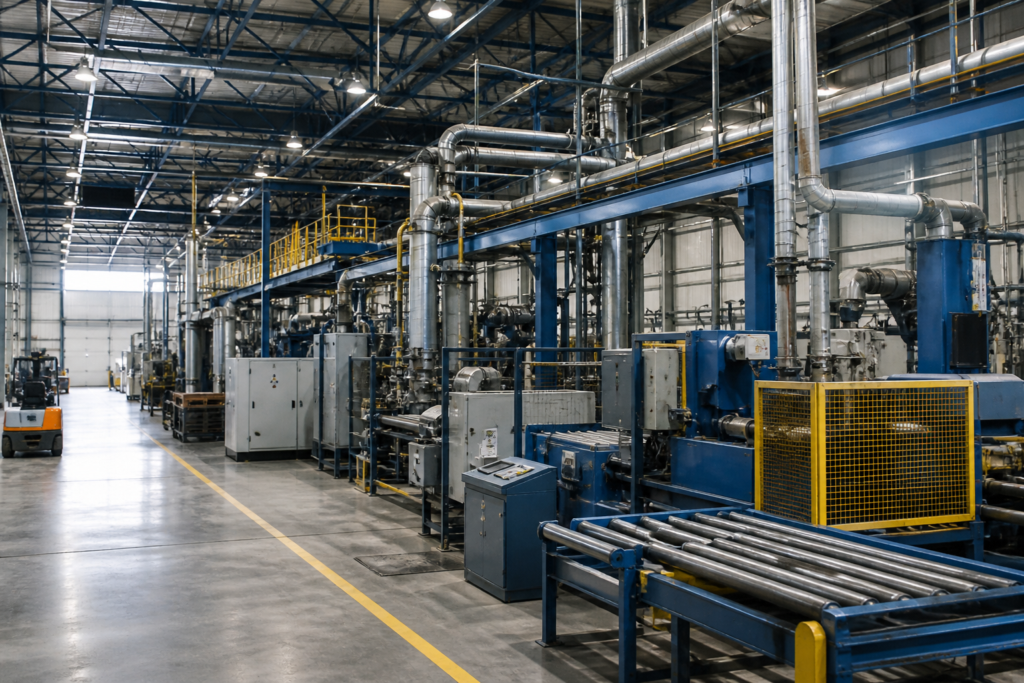
PCM technology in industry Within the industrial sector, energy management is becoming increasingly important. Production processes and installations often require large amounts of energy and can create fluctuating heat loads. PCM technology provides a smart solution by temporarily storing thermal energy and releasing it in a controlled manner when required. Phase Change Materials can be used to make industrial processes more stable and efficient. When large amounts of heat are generated during production, the PCM absorbs this excess thermal energy. This reduces temperature fluctuations and helps processes operate more consistently and reliably. PCM can also help reduce peak energy demand. By temporarily storing heat or cooling energy, installations do not need to operate at maximum capacity as frequently. This results in more efficient energy use and can contribute to lower operational costs. In industry, PCM is also applied in areas such as cooling and heating processes, storage facilities and the transport of temperature-sensitive products. These applications are particularly valuable in situations where maintaining a stable temperature is essential for product quality. Due to its flexibility and high efficiency, PCM is an attractive technology for industrial companies looking to improve sustainability and optimise their energy consumption.
AI industrie foto
Sustainable data centre cooling with PCM technology

Data centres

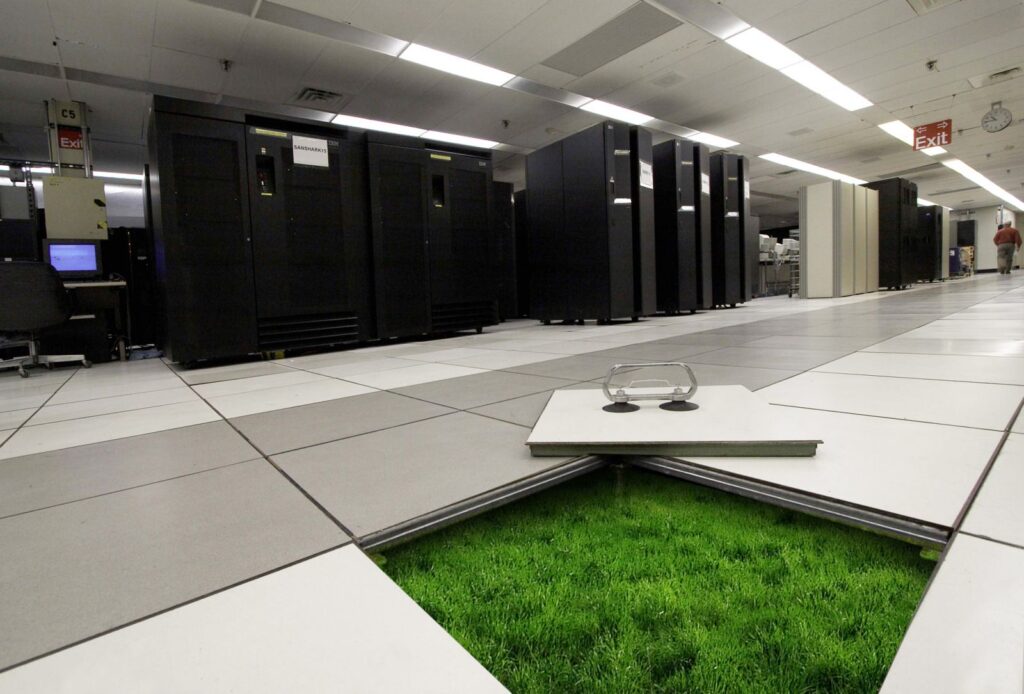
Sustainable data centre cooling with PCM technology The way data centres are cooled is changing rapidly. Due to the development of increasingly efficient ICT hardware, modern data centres can operate at higher temperatures, for example around 28°C. This enables new energy-efficient cooling technologies in which Phase Change Materials (PCM) play an important role. PCM technology functions as a thermal battery, storing and releasing thermal energy when required. This allows the temperature within a (micro) data centre to remain stable throughout the year, regardless of outdoor conditions. Whether temperatures outside are high or low, the PCM helps ensure that ICT equipment continues to operate under optimal conditions. A major advantage of this technology is its high efficiency. When combined with energy-efficient EC fans, exceptionally high performance can be achieved, with an EER ranging from 40 up to 66. In addition, the system utilises free cooling whenever conditions allow, further reducing energy consumption. PCM solutions for data centres are often designed as plug-and-play systems with a standard 230V power connection, making installation fast and straightforward. They are suitable for small to medium-sized data centres and can be installed on-site, including any required building modifications. With these characteristics, PCM technology provides a sustainable, efficient and future-proof solution for data centre cooling, resulting in lower energy costs and reduced CO₂ emissions.
green_datacenter-ibm

Bekijk hoe onze oplossingen worden toegepast in diverse projecten.

Projects

More information

For more information or to schedule an appointment, please contact us.

Contact

Do you have any questions?

Contactpage