Phase Change Material

Phase change materials (PCM)

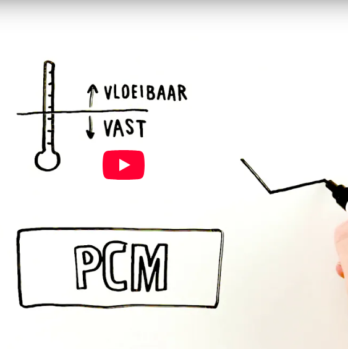
PCM stands for Phase Change Materials. These are materials in which a phase change (from solid to liquid and from liquid to solid) is used to store and release thermal energy. In short, PCM stores heat for later use in a 24-hour cycle.

5fe08e70-d887-497b-bf71-972a02270f7e
How does PCM store energy?
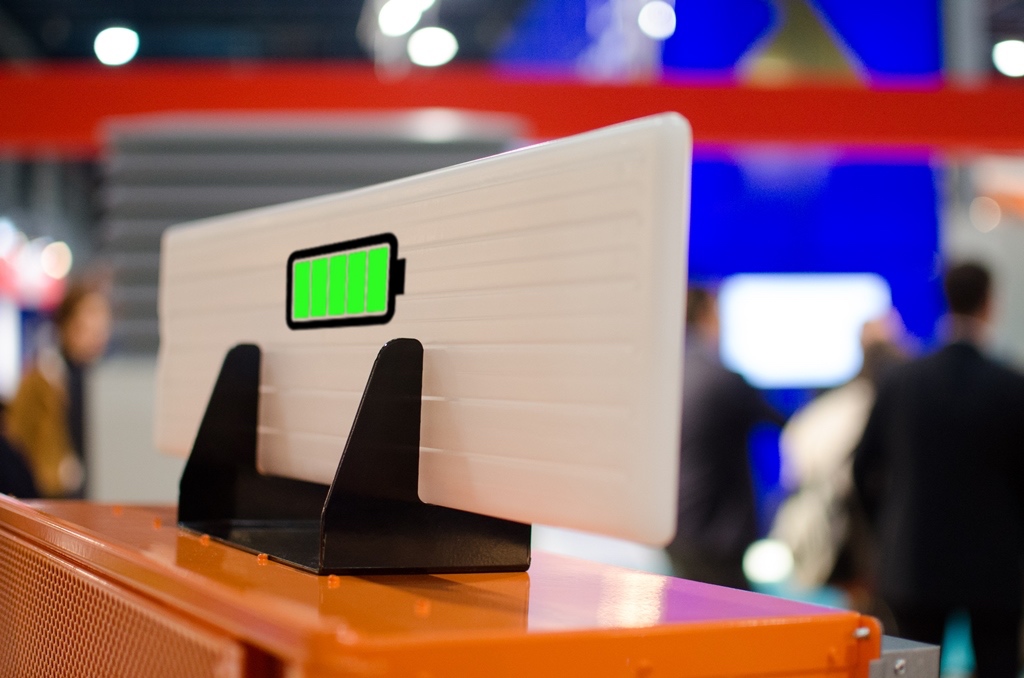
Energy storage is becoming increasingly important within sustainable energy and energy-efficient construction. Instead of using energy immediately, it can be temporarily stored and used later when needed. This helps reduce peak demand and enables smarter energy management. A common form of energy storage is thermal energy storage. In this process, heat from sources such as solar radiation or equipment is stored and released at a later moment. It works like a thermal battery: heat is stored during the day and released again at night. Phase Change Materials (PCM) play an important role in this process. These materials store thermal energy during a phase change. This occurs at a constant temperature, making PCM highly suitable for applications where a stable indoor climate is required. By using this technology, energy consumption for heating and cooling can be significantly reduced.
b41543a9-288c-4aef-915c-09cd9a4fd2fe
How does PCM work?

How does PCM work?

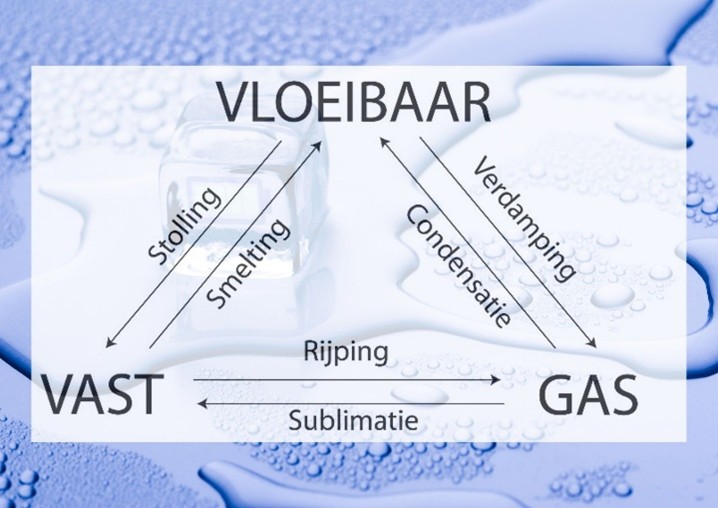
PCM technology is based on absorbing and releasing thermal energy during a phase change. When the temperature rises to the melting point of the material, the PCM absorbs heat and changes from a solid to a liquid state. This helps keep room temperatures stable for longer and prevents overheating. When the temperature decreases again, the material solidifies and releases the stored thermal energy. This creates a warming effect and helps maintain a comfortable temperature. This cycle of melting and solidifying can be repeated continuously without the material losing its performance. A key advantage of PCM is that it can store a large amount of thermal energy while maintaining a nearly constant temperature. This makes it highly effective for stabilising temperatures in buildings and technical systems.
Afbeelding1

PCM Technology

The physics behind PCM

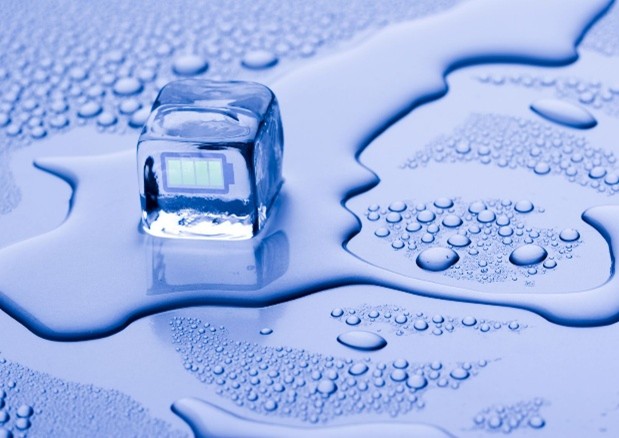
The most well-known PCM material in the world is water. Depending on the surrounding temperature, water can exist in three different states: solid, liquid and gas. When water changes from a liquid to a solid state, it becomes ice. In this solid state, it has stored thermal energy at a temperature of 0°C. This stored energy (or cold energy) can be used to provide cooling around this temperature range.

Technical materials use the same principle of melting and solidification. These materials are known as Phase Change Materials (PCM). The difference is that these materials undergo a phase change at a specific, predefined temperature. This allows them to melt and solidify exactly when required.

Common PCM temperature ranges include +8°C, +18°C, +23°C and +35°C. There are also PCMs that operate below 0°C. These can help reduce the load on cooling systems or freezers during warm periods, resulting in lower peak energy consumption. PCM materials are therefore widely used in applications where spaces, processes or products need to remain at a stable temperature.

The technology behind PCM

PCM technology focuses on developing materials with a precisely selected phase change temperature. In many cases, inorganic salts are used because they are safe, stable and non-flammable.

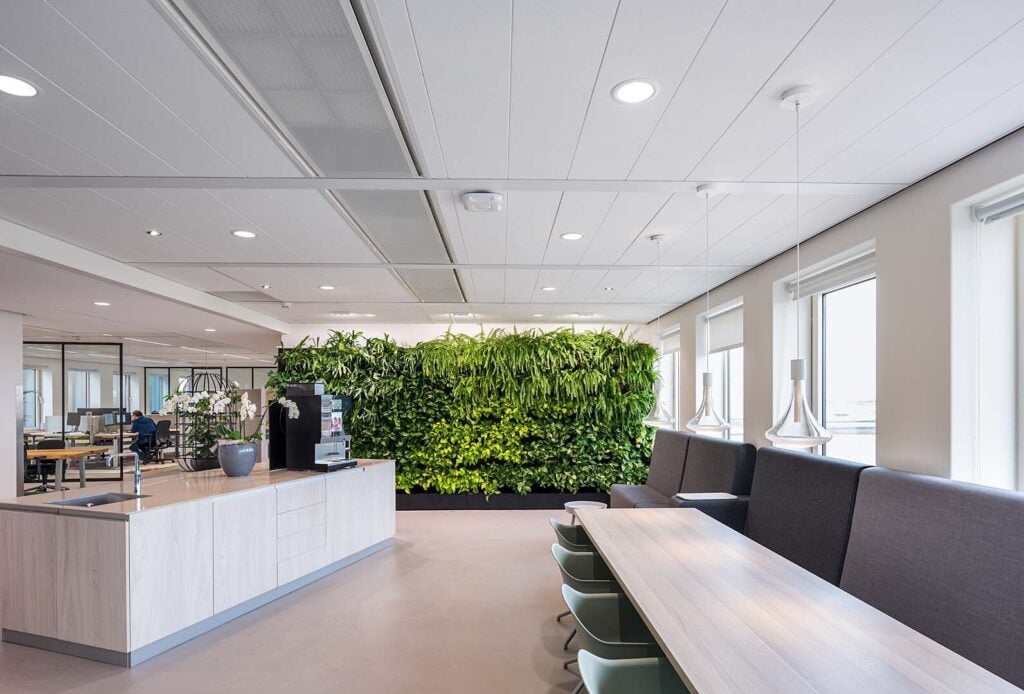
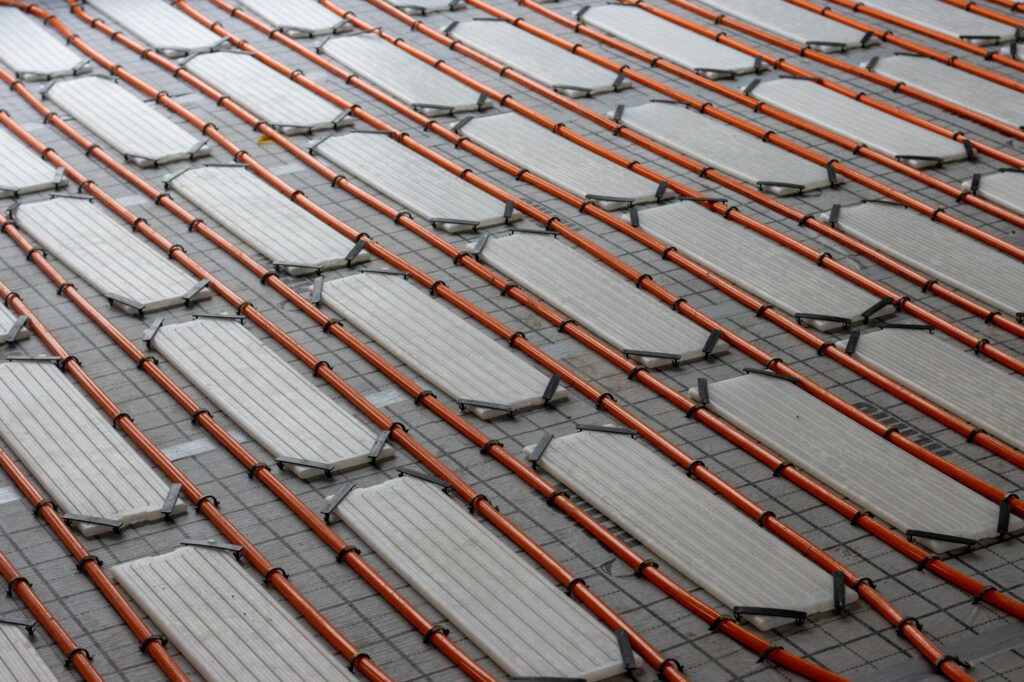
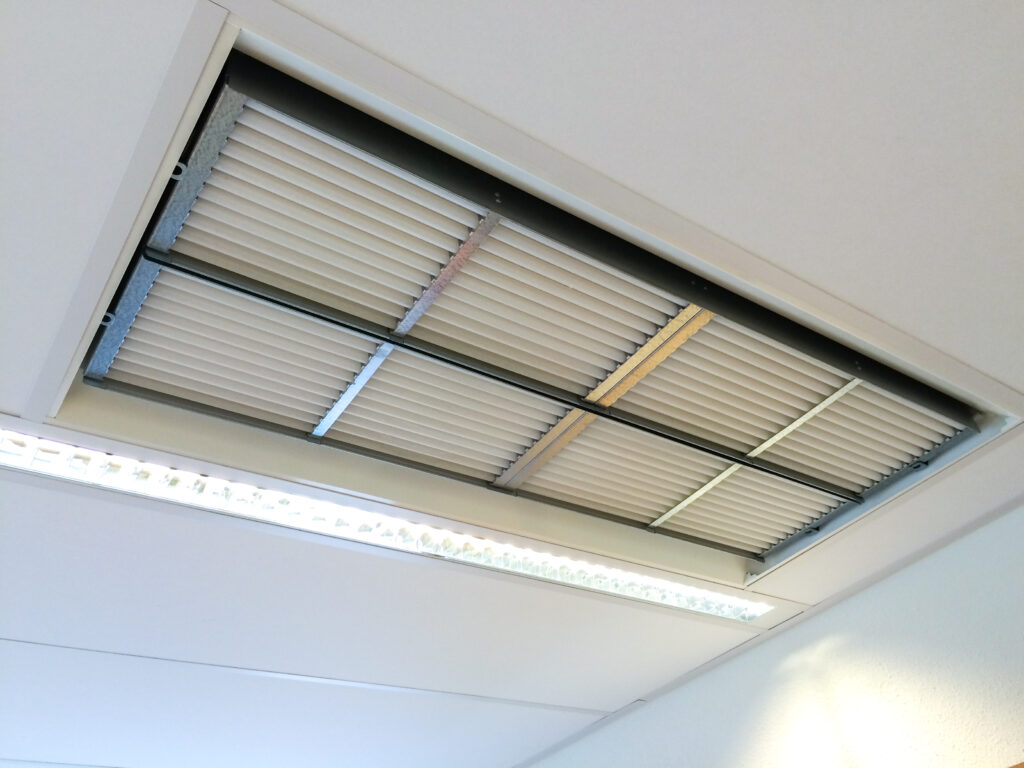
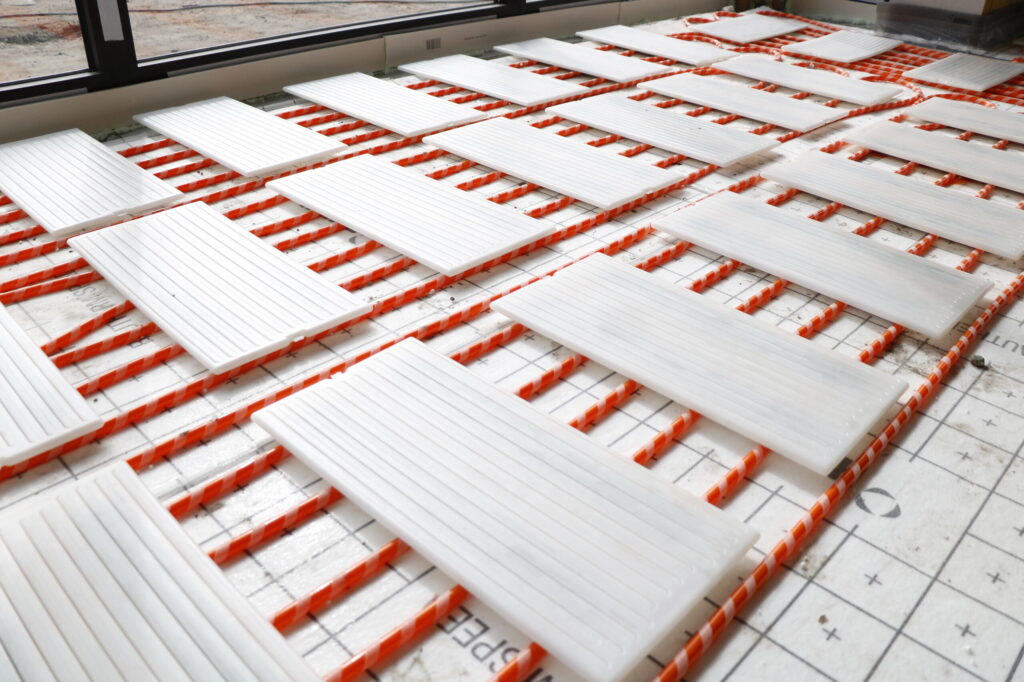
These materials are incorporated into various applications, such as ceiling panels, underfloor heating mats or integrated solutions within walls. PCM is also used in data centres to absorb heat peaks and protect equipment from temperature fluctuations.

In addition, PCMs can be supplied in different forms, such as liquid, powder or granulate. This makes them highly flexible and suitable for customised solutions. Depending on the application, PCM temperature ranges can vary from approximately -15°C to +85°C.

Benefits of PCM
PCM offers many advantages in the field of thermal energy storage and climate control. These materials can store up to 36 times more thermal energy than traditional building materials such as concrete. In addition, heat transfer can be up to 15 times more efficient, allowing PCM systems to respond faster to temperature changes. By making use of natural temperature differences between day and night, PCM reduces the need for active cooling and heating. This results in lower energy consumption, reduced energy costs and lower CO₂ emissions. Furthermore, PCM helps create a more stable indoor temperature, improving comfort levels in buildings. The materials are sustainable, often reusable and can contribute to certifications such as Cradle to Cradle. PCM solutions are also space-efficient, as they can reduce the need for large heating and cooling installations. This makes them suitable for a wide range of applications, from residential buildings and offices to data centres and industrial processes.
DJI_0318
Want to know more about PCM? Watch our explainer videos.

Neem voor vragen (vrijblijvend) contact op met onze accountmanagers

More information

For more information or to schedule an appointment, please contact us.

Contact

Do you have any questions?

Contactpage